Diving in Montenegro - Top Locations For Adriatic Sea Diving

Diving in Montenegro is one of the most memorable ways to experience the Adriatic Sea, especially if you are interested in clear water, underwater tunnels, coastal caves and historic shipwrecks. While Montenegro may not have the same colourful reef life as the Red Sea, it offers something different: accessible Adriatic diving sites, dramatic coastal scenery, fascinating wrecks and a mix of beginner-friendly and advanced dive experiences along a compact coastline.

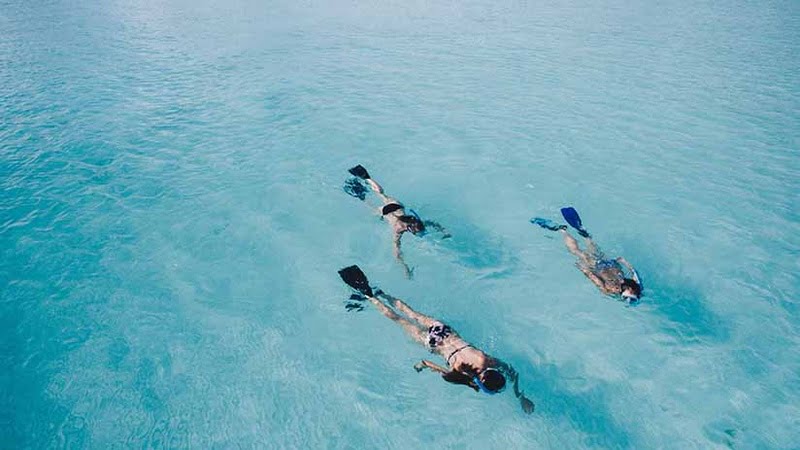
Whether you’re a seasoned diver, looking to plunge into the Adriatic’s deeper mysteries, or a beach lover seeking the joy of snorkelling in Montenegro amidst the vibrant shallows, this Balkan gem has something for everyone.

In this blog, we’ll explore some of the best spots for swimming and scuba diving in Montenegro, from beginner-friendly coastal sites to some of the most memorable Adriatic Sea diving locations. This guide is for travellers planning to go scuba diving in Montenegro, beginners looking for their first Adriatic Sea dive, and certified divers interested in wreck diving along the Montenegrin coast.
Before Diving In Montenegro: Seasons, Conditions, and Certifications

Before planning your dive, it helps to understand what kind of Adriatic Sea diving Montenegro offers. Diving in Montenegro is suitable for beginners, recreational divers and more experienced wreck divers, but the right site depends on the season, sea conditions and your certification level.

What kind of diving can you do in Montenegro?

Montenegro offers several types of diving, from easy first-time experiences to more advanced certified dives. It includes a mix of:

  • beginner-friendly scuba dives
  • shallow snorkelling spots
  • scenic cave experiences and more advanced wreck diving.

Is Montenegro good for scuba diving?

Yes, Montenegro is an excellent destination for scuba diving, particularly for divers interested in wreck diving and underwater cave exploration. Its calm, clear Adriatic waters offer visibility up to 30 meters, and the coastline holds several well-preserved historic shipwrecks, dating from the early 1900s through to the Yugoslav era, all within easy reach of each other. Sites range from shallow beginner-friendly tunnels at 5 meters to advanced wreck dives at 40 meters, meaning there is something worthwhile at every certification level. It is not a tropical destination — you will not find coral walls or reef sharks here — but for wreck diving, cave diving, and clear-water Adriatic conditions, Montenegro is hard to beat.

When to go diving in Montenegro?

Best time to visit Montenegro and go diving is from early May to early October. Water temperatures rise from around 18°C in May to a peak of 26°C in July and August, before cooling again through September. Visibility is consistently good throughout the season, regularly reaching 20–30 meters, and the Adriatic here is calm by sea standards with minimal current at most sites.

Summer in Montenegro is the most popular time for diving, especially for beginners and holiday travellers. July and August offer the warmest water and the longest days, but they are also the busiest months on the coast generally. Late spring and early autumn can also be good options for certified divers who prefer fewer crowds, while still having suitable sea conditions.

How certification levels relate to depth?

Before choosing a dive site, it is important to understand the most common certification levels:

  • Open Water Diver is the basic recreational diving certification. It usually allows divers to go down to around 18 meters with a buddy or instructor, depending on the training agency and local dive centre rules.
  • Advanced Open Water Diver allows divers to build experience at greater depths, usually up to around 30 meters.
  • Deep Diver certification is intended for deeper recreational dives, commonly up to 40 meters.
  • Wreck Diver specialty is recommended or required when divers want to enter or closely explore wreck structures, not just observe them from the outside.

Because conditions, rules and access can vary by dive centre, always check the exact certification requirements with the local diving club before booking.

Are there coral reefs in Montenegro?

No, there are no coral reefs in the tropical sense. Montenegro sits in the Adriatic, a relatively shallow and enclosed sea, and does not have the warm-water coral reef ecosystems found in the Red Sea, the Maldives, or the Caribbean.

What the Adriatic does support is a different kind of underwater landscape: rocky seabeds, sea caves, and submerged structures colonised over decades by sponges, gorgonian sea fans, octopuses, moray eels, sea bream, and grouper. The shipwrecks in particular have become artificial reefs in their own right, with marine life having established itself across every surface over the course of a century in some cases.

Exploring the shipwrecks – diving in Montenegro’s Adriatic waters

With warm, calm and clear Adriatic waters and amazing marine life, Montenegro is a country filled with numerous historic sites and destinations perfect for diving expeditions. Throughout its rich history, Montenegro experienced numerous disturbances and the memories of the past still live on – both on land and under the sea through the shipwrecks that lie on the bed of the Adriatic.

Over the years, these shipwrecks have transformed into sought-after attractions for divers. For those who relish the thrill of shipwreck diving, these submerged relics of history are indispensable stops on any Adriatic Sea diving itinerary in Montenegro. If you’re a fan of shipwreck diving, these shipwrecks are a “must-see” diving destination in Montenegro.

scuba diver under the sea

Top Sites for the Best Diving in Montenegro

Montenegro’s coastline is short by Adriatic standards (just over 300 kilometers), but the concentration of quality dive sites along it is remarkable. From the deep historic wrecks in the Bay of Kotor down to the shallow tunnels and beginner-friendly sites around Budva, the sites below cover the full range of what Montenegrin diving has to offer.

Mamula Island - Dive Site Tihany Shipwreck

Mamula Island, guarding the entrance of the Bay of Kotor, provides a blend of marine diversity and history. The dive sites around the island vary in depth, with some plunging to 30 meters.

Tihany shipwreck, which is located near the islet of Mamula, 6.3 km away from Herceg Novi is one the most popular sites for scuba divers in all of Montenegro.

The Tihany steamboat was built in 1908 in Trieste and was primarily used as a transportation ship for workers. Unfortunately, the Tihany steamship didn’t have a long lifetime, in 1917 the ship was stranded due to bad weather and poor navigation, which led to it’s sinking just off the coast of Mamula island.

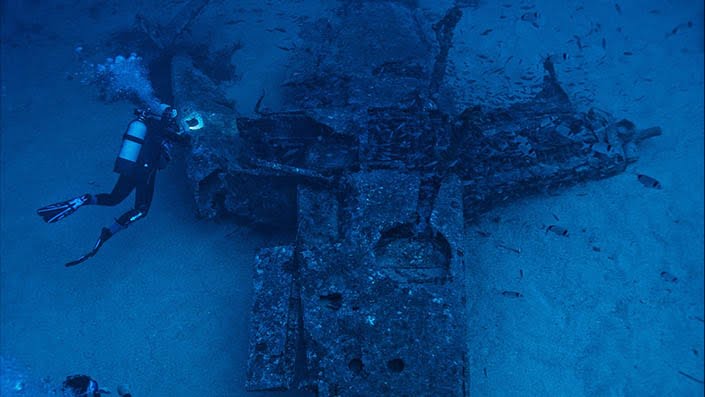
The Tihany shipwreck today is located at a depth of 40 meters and to experience this unique site you will need a diving certification. Wreckage exploration is also available; however, this is only allowed for Wreck Speciality certified divers.

Obtaining a basic Open Water Certificate is acquired after only two days of training and can be obtained in every certified diving club in Montenegro.

While the vibrant marine life, including octopuses and moray eels, captures the attention, the historical remnants of shipwrecks lying silently on the sea bed add an additional layer of fascination. Furthermore, the looming fortress on Mamula above the surface provides a backdrop that complements the underwater mysteries.

Oreste Wreck – Explore the Italian Shipwreck From the Early 20th century

Whether you’re an experienced diver or just beginning your Adriatic Sea diving adventure, the Oreste wreck is an essential addition to your Montenegrin diving itinerary.

“Oreste” used to be the name of an Italian ship that sank off the coast of Budva, Montenegro close to the Jaz beach back in 1942. Diving in Montenegro offers many attractions, but the Oreste stands out, inviting divers to weave through its submerged structures, each corner unveiling a story from the past.

Oreste was sunk when it stumbled across a naval mine near the bay of Trsteno just a few miles off the coast of Budva’s Jaz beach. Today, Oreste found its peace on the Adriatic seabed, at a depth of 32 meters.

The ship itself is divided into two parts and is one of the most exciting tours for divers in Montenegro. However, to dive and explore the Oreste shipwreck, divers must hold one of the following diving certificates:

  • Open Water Diver Certificate
  • Advanced Open Water Diver Certificate
  • Deep Diver Certificate

For enthusiasts of Adriatic Sea diving, the Oreste is a must-visit site, offering a blend of historical intrigue and natural splendor.

Fisherman’s Wreck – A Unique Budva Diving Experience Off the Coast of St. Stephen Island

Fisherman’s wreck is located at the depth of 21 meters, just off the coast of St. Stefan island in Budva, Montenegro. Diving into the heart of the Adriatic brings forth the essence of maritime adventure, and the Fisherman’s wreck stands as a testament to this spirit.

Diving on this site requires possession of the Open Water Diver Certificate.

Legend has it that upon returning home from a fishing trip, the small ship was submerged following a sea storm, hence the name Fisherman’s wreck.

This diving site in the Adriatic sea is an absolute favourite to numerous divers because of the clear waters with favourable visibility, the sea life that surrounds the wreck and its proximity to the public beach of Jaz, one of the best beaches in Montenegro.

Patrol Wreck – Following the Naval Footprint of Yugoslavia While Diving near Herceg Novi

A bit further north in Kotor’s bay just off the coast of the historic town of Herceg Novi, lies the vastly popular Patrol shipwreck, one of the most attractive and famous shipwrecks in Montenegro. Renowned as a highlight of Adriatic diving, this sunken sentinel offers a rich tapestry of history, nature, and exploration to those who dare to dive deep

The ship itself was built in 1952 in Marshal Tito’s shipyard “Kraljevica” and it served for surveying the coast of Montenegro for potential naval threats, ensuring the security of the Yugoslav coast from 1972 until it was sunk in 1983.

In 1983, the ship was used as a part of military protection training where it served as a moving practice target and was eventually hit. After this operation, the ship was dragged to the bay of Žanjic where it still lies to this day.

Diving near the Island of St. Nicholas, Budva, Montenegro

With a depth of only 9 meters diving near the island of St. Nikola, off the coast of Budva, Montenegro is an excellent choice for beginners looking to experience the beauties of the underwater world through diving for the first time.

This Adriatic sea diving site requires no diving certification and is available to all categories of divers.

scuba divers underwater

St. Nikola Island, or as the locals call the Hawaii of Montenegro, is only accessible by boat and is one of the most popular natural sites of Budva. It is the biggest island in the southern part of the Adriatic sea with a total length of coastline of 840 meters.

Numerous divers in the region state that they’ve fallen in love with diving after exploring the underwater tunnels around St. Nikola Island, Budva.

These underwater tunnels are 5 – 9 meters deep and from 15 – 30 meters long, divers are always accompanied by a diving instructor to ensure maximum safety. The tunnels are pretty wide and offer a comfortable diving experience.

Blue Cave - Top Diving Spot in Montenegro and Whole Adriatic Sea

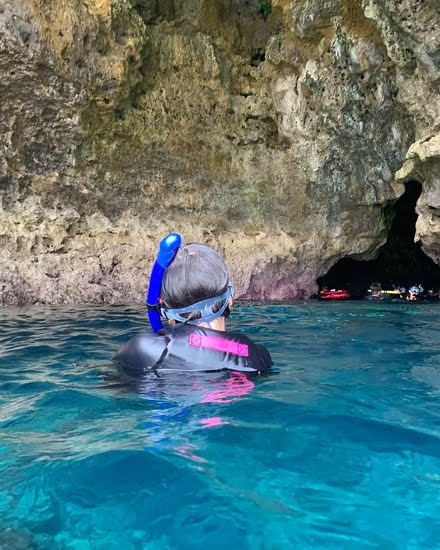
Located on the Luštica Peninsula in the Bay of Kotor, off the coast of Tivat, Montenegro is Blue Cave (known in Montenegrin as Plava špilja) one of the most fascinating natural swimming and diving spots in Montenegro.

Revered as one of the crown jewels of Adriatic diving, this natural wonder beckons divers with its ethereal beauty and tranquil ambiance.

Lustica peninsula is a culturally and historically diverse area with up to twenty Christian churches. The population of the peninsula is relatively small; however, the villagers nurture their centuries old traditions and produce their own olive oil prosciutto, cheese, wine and rakija.

Apart from the cultural heritage, the Luštica Peninsula is amazing both on land and at sea. The prime example of its luscious nature is the Blue Cave located on the southwest coast of the peninsula.

Navigating the serene waters of the Blue Cave offers divers an experience unparalleled in the realm of scuba diving Adriatic Sea adventures.

Blue Cave’s locality is only accessible via ship, yacht or boat, making it one of the best diving spots to visit with your yacht.

The sandy sea bottom reflects the sunlight, projecting the rays through the surface of water onto the roof of the cave – colouring the entire cave with an iridescent and enchanting tone of blue.

Plava špilja, also known as the Blue Cave or Blue Grotto is one of the most popular tourist destinations for swimmers, divers and admirers of nature. If you’re searching for a unique diving experience this spot will certainly not disappoint.

Beyond Montenegro: Other Notable Adriatic Sea Diving Sites

  • The Baron Gautsch Wreck – Located off the coast of Rovinj, Croatia, the Baron Gautsch is a renowned wreck dive. Sunk in 1914, this Austro-Hungarian passenger ship now rests 40 meters below the surface.
  • The Vis Island – Located in the central Adriatic, Vis Island in Croatia is home to several renowned dive sites. The island’s waters hide multiple shipwrecks, underwater caves, and reefs. The Stiniva Cove, in particular, is celebrated for its unique underwater topography and clear waters.
  • The Koločep Island Caves – Near Dubrovnik, Croatia, the Koločep Island boasts numerous underwater caves and tunnels. These geological formations are teeming with marine life, making them a favorite among divers seeking the thrill of cave diving in the Adriatic. You can go by ferry to Dubrovnik from Montenegro.
  • The Telašćica Nature Park – Situated on the Dugi Otok island in Croatia, the Telašćica Bay is known for its rich biodiversity. The underwater cliffs and caves in this protected area offer divers a chance to encounter various species of fish, sea sponges, and corals in their natural habitat.

Diving with PADI in Montenegro

PADI Montenegro ensures that every dive is an adventure to remember. With their vast knowledge of the local dive spots and conditions, PADI-certified instructors and dive shops offer divers unique experiences that showcase the best of the Adriatic. From the haunting beauty of submerged shipwrecks to the serene landscapes of underwater caves, PADI Montenegro offers it all.

Moreover, being a part of the global PADI community means that divers in Montenegro get to partake in various diving events, workshops, and conservation initiatives. It’s not just about the dive; it’s about being a part of a movement that cherishes and conserves our oceans.

For anyone looking to experience the wonders of diving in Montenegro, PADI offers the ideal gateway. Dive in, get certified, and be a part of a global community that celebrates the magic of the underwater world.

Diving in Montenegro and the Adriatic Sea is an Experience You Will Cherish for a Lifetime

In Montenegro there are a lot of professional scuba diving clubs that will make sure that you are fully prepared for your diving experience in compliance with the highest safety standards.

Apart from training services, diving clubs in Montenegro also offer guided tours to groups and individuals as well. These tours include the observation of marine life in Montenegro as well as the exploration of historic shipwrecks that rest on the bottom of the Adriatic sea.

When you choose to stay in Porto Montenegro, you are situated in the heart of the Bay of Kotor. The marina puts you within easy reach of the bay’s main dive sites, with dive clubs and boat departures available directly from the marina. After the dive, Porto Montenegro’s village offers a full range of restaurants and shops, making it a practical and comfortable base for a diving trip of any length, whether you are spending a weekend on the water or building a longer itinerary around the coast’s sites. Start planning your Adriatic diving trip today!