Best Weather in Europe - Your Seasonal Travel Guide

Europe stands out for its remarkable climate variety, bringing together everything from snowy alpine winters to sun-lit Mediterranean coasts, gentle spring landscapes, and mild autumn days within one geographically diverse region. 

Rather than following a single fixed ideal, weather preferences vary depending on travel style and expectations. 

This seasonal guide explores how different regions shine throughout the year, helping you understand where and when Europe offers its most enjoyable conditions – and how to find the cities with the best weather in Europe for your own way of travelling.

Defining the “Best” Weather in Europe

The idea of “best weather” varies from one traveller to another. For some, it means long, sun-filled days, while others value balance, comfortable temperatures, lower humidity, and a calmer atmosphere. These differences explain why discussions around the best climate in Europe often point to very different destinations, shaped as much by personal travel style and expectations as by climate itself.

In general, travellers looking for the best weather for Europe tend to prioritise:

  • Comfortable daytime temperatures are suitable for exploring.
  • A high number of sunny days.
  • Low rainfall and stable conditions.
  • Weather that supports beaches, sightseeing, and outdoor activities.

Understanding these factors makes it easier to match the right destination with the right season. With that in mind, let’s explore Europe season by season and see where the weather truly works in your favour – whether you’re seeking warm places to visit in Europe during winter or the most pleasant cities for a spring or autumn city break.

Best Winter Weather in Europe - Where to Go in December, January and February

Winter in Europe does not have to mean persistent cold, grey skies, and limited travel options. 

While much of the continent experiences low temperatures, certain southern destinations benefit from milder climates, more daylight, and a higher number of clear days. These conditions make winter a surprisingly appealing time for travel, especially for city breaks and coastal exploration.

For travellers who want to avoid harsh winter extremes – and who often search for hot places in Europe in February as a starting point – choosing the right destination can reveal a gentler, more comfortable side of winter, with pleasant daytime temperatures, lower rainfall, and an atmosphere that feels calm, open, and uncrowded.

Portugal - A Sun-washed Atlantic Gem

Portugal consistently ranks among the warmest countries in Europe in January, especially along the Algarve coast

Winter temperatures are mild, rainfall is limited, and sunny days are common, making it a reliable choice for travellers seeking the best weather in Europe in January and February. 

Rather than extreme heat, Portugal offers a gentle, balanced winter climate that makes city breaks, coastal walks, and outdoor sightseeing genuinely enjoyable – the kind of weather that lets you explore comfortably and appreciate the country’s landscapes and culture without the intensity of peak-season crowds.

Cyprus - Where Winter Feels Like Early Spring

If you’re looking for warm weather in February in Europe, Cyprus is a top choice. 

Cyprus stands out for its clear skies and consistently pleasant winter temperatures. The island has a gentle winter atmosphere that draws travellers who appreciate soft sunlight, open landscapes, and quieter coastal towns

With long daylight hours and a distinctly Mediterranean calm, Cyprus often feels more like the beginning of spring than the middle of winter, creating ideal conditions for unhurried cultural exploring and peaceful days by the sea.

Iceland and Finland - Nordic Winter Magic

While not warm, Iceland and Finland offer a completely different interpretation of the best winter weather in Europe. 

Crisp air, snowy landscapes, and long winter nights create perfect conditions for winter adventures, from glacier landscapes to Northern Lights viewing. 

For travellers who associate winter with snow, silence, and natural drama rather than warmth, these destinations deliver unforgettable seasonal experiences.

A Pleasant European Spring - Where to Find the Best Weather in Europe in March, April and May

Spring is often considered the most balanced season for travelling in Europe. Temperatures are comfortable, daylight hours increase, and cities and landscapes begin to bloom, all while avoiding peak summer crowds. 

Many travellers plan trips during this period to enjoy what is widely regarded as the best weather in Europe in spring, followed by particularly pleasant conditions in April and May.

Italy - Where History Lives

Italy is at its most comfortable in spring, when mild temperatures create ideal conditions for cultural exploration. 

This is the time when many travellers actively track Europe in April weather, as historic cities such as Rome, Florence, and Venice offer warm days without the intensity of summer heat. 

April and May are often considered periods of the best weather in Europe, especially for walking tours, museum visits, and enjoying outdoor cafés before peak tourist season begins.

Germany - Mild Temperatures and Blooming Cities

Spring brings stability and freshness to Germany’s climate, particularly in March and April. Travellers looking for warm weather in March in Europe often find southern regions especially appealing, with blooming parks, revitalised old towns, and scenic river valleys

The moderate temperatures make spring one of the most pleasant times for city breaks, cultural sightseeing, and nature-focused travel across the country.

Montenegro - A Small Country with Outsized Beauty

Spring is one of Montenegro’s most overlooked yet rewarding seasons. Along the Adriatic coast, days are sunny and comfortably warm, while inland mountains remain lush and green

These balanced conditions make spring an excellent time for exploring both coastline and countryside without summer crowds.

What makes Montenegro especially appealing in spring is the ease of combining different experiences in a short time frame. You can enjoy coastal walks, historic old towns, and quiet beaches in the morning, then head inland to national parks in Montenegro, mountain viewpoints, or lake regions by afternoon. 

With fewer visitors and moderate temperatures, spring also allows for a more relaxed pace of travel and a deeper connection with the landscape.

For travellers planning their visit, this guide to the best time to visit Montenegro and the detailed overview of Montenegro’s weather provide valuable insight into how seasonal conditions shape the travel experience throughout the year.

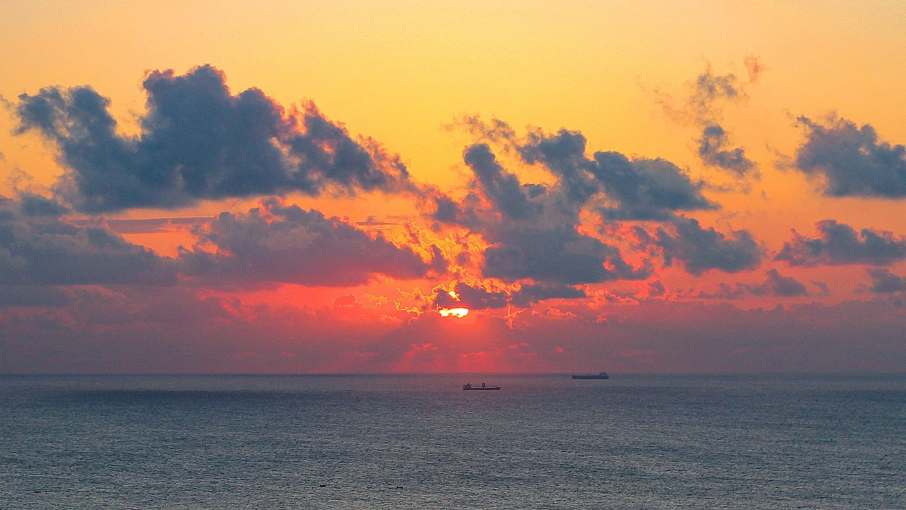
Vibrant sunset over a calm sea with colourful clouds on the horizon.

Chasing Summer Sun - Best Weather in Europe in June, July and August

Summer is the most popular time to travel in Europe, but weather comfort varies greatly by region. While southern Europe delivers long, hot days ideal for beach holidays, northern destinations offer cooler temperatures, fresh air, and extended daylight. 

Whether you are looking for lively coastal destinations or mild climates suited to outdoor exploration, summer in Europe offers a wide range of options with consistently favourable weather.

Sweden and Norway

For travellers who prefer to avoid intense summer heat, Sweden and Norway offer a refreshing alternative. 

Long daylight hours, moderate temperatures, and clear skies make Scandinavia particularly appealing in early and mid-summer. June is often highlighted for having some of the best weather in Europe in June, with conditions ideal for hiking, city exploration, fjord cruises, and outdoor activities that benefit from extended daylight and cooler air.

The slower pace of travel and strong connection to nature during this season make Scandinavia especially rewarding for those seeking calm, space, and outdoor-focused experiences.

Montenegro – The Last Wild Coastline in Europe

Summer reveals Montenegro in its most recognisable form. Long sunny days, warm sea temperatures, and a vibrant coastal rhythm define the season, while the Adriatic coastline offers a rare blend of natural beaches, historic towns, and steep mountain scenery rising directly from the shore. 

This diversity is one reason summer is often linked with the best weather in Montenegro.

What makes the experience particularly distinctive is the contrast between unspoilt landscapes and refined coastal living. The coastline adds another layer to the experience, with clear Adriatic waters, sheltered bays, and wide-open seascapes that shift from peaceful in the morning to beautifully vibrant by late afternoon.

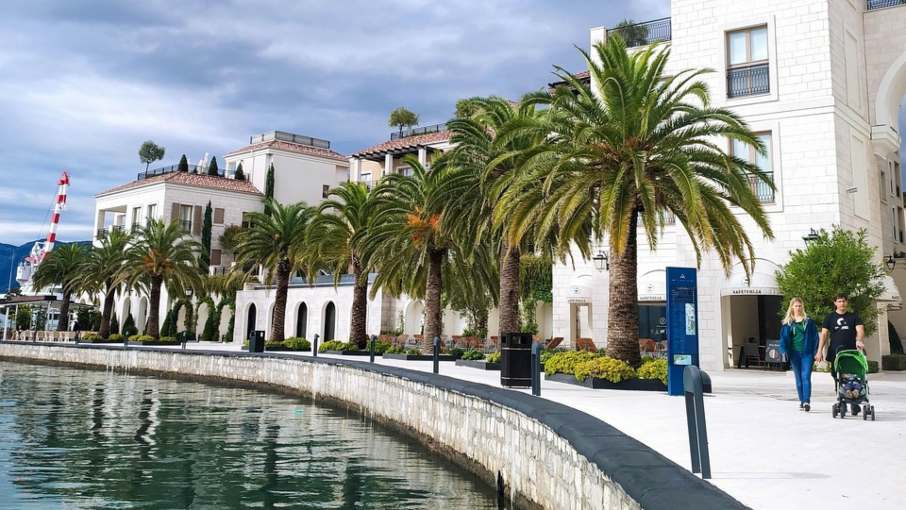
Alongside traditional seaside towns, Montenegro is also home to modern, luxury developments designed around yachting and maritime culture. Porto Montenegro stands out as a luxury nautical village, combining a world-class marina with high-end accommodation, dining, and waterfront promenades, all set against a beautiful mountain backdrop.

Beyond the coast, summer allows travellers to move effortlessly between relaxation and exploration. A deeper look at summer in Montenegro shows how seasonal conditions support everything from beach days to inland adventures, while this Montenegro travel guide offers practical insight for discovering the country beyond the shoreline.

Greece - Hot, Lively, and Ideal for Beach Holidays

For travellers actively seeking summer heat, Greece remains one of the most reliable destinations on the continent. 

July and August bring high temperatures, minimal rainfall, and long, sun-filled days, which is why this period is so often associated with the best weather in Europe in July and August. 

Coastal areas and islands benefit from steady sea breezes that make even the hottest days more comfortable.

Beyond the weather itself, summer in Greece is defined by its atmosphere. Island hopping, crystal-clear waters, and long beach days naturally blend with late-night seaside dining and vibrant local life. 

Whether you prefer relaxed island retreats or energetic coastal towns, Greece offers a classic European summer experience where sunshine, culture, and social life come together at their most intense.

Woman in yellow raincoat holding a large transparent umbrella.

Autumn Travel in Europe - Where to Find the Best Weather from September to November?

Autumn is a favourite season among experienced travellers. As summer crowds fade and temperatures become more comfortable, many European destinations enter a period that feels both relaxed and visually rich. 

Colours deepen, light softens, and travel becomes less hurried, creating ideal conditions for exploration.

Across southern Europe, days often remain pleasantly warm, while central and Alpine regions enjoy clear skies and fresh air before winter arrives – conditions that explain why this period is frequently associated with the best weather in Europe in October, especially for those who prefer mild days and vibrant seasonal scenery.

Malta - Autumn Warmth with Mediterranean Calm

Malta stands out as one of the most reliable destinations for autumn warmth. Even as temperatures begin to cool elsewhere, the island continues to offer warm weather in November in Europe, with daytime conditions that remain comfortable and sea temperatures suitable for swimming

Sunshine is frequent, rainfall is limited, and the overall atmosphere becomes noticeably calmer after the summer peak.

This balance makes Malta particularly appealing for travellers who want to combine relaxed coastal time with history and culture. Autumn is ideal for exploring ancient sites, coastal paths, and harbour towns without heat or crowds, which is why Malta is often highlighted as the best place to travel in November for warm weather in Europe.

France - Autumnal Elegance in Full Colour

Autumn brings a quieter, more refined side of France to the surface. 

September and October are widely regarded as offering some of the best temperatures in Europe, especially in southern regions where days remain warm and evenings are comfortably cool. 

This is peak season for vineyard landscapes, culinary travel, and scenic city breaks.

With harvest season underway and tourist numbers lower than in summer, France becomes easier to explore at a relaxed pace. Coastal towns, historic cities, and countryside routes all benefit from stable weather and softer light, making autumn one of the most rewarding periods to experience the country’s cultural and natural richness.

Austria - Golden Alps and Harvest Valleys

Austria offers a distinctly different autumn experience, defined by clear skies, crisp air, and striking seasonal colours. 

As summer fades, alpine regions turn golden, valleys celebrate harvest traditions, and hiking routes remain accessible well into October. Sunny days paired with cooler temperatures create ideal conditions for outdoor exploration without the intensity of summer heat.

For travellers looking for good weather in November in Europe without entering full winter conditions, Austria provides a calm and scenic alternative. The combination of cultural cities, mountain landscapes, and seasonal atmosphere makes autumn an especially rewarding time to visit.

Tivat port in Montenegro with palm trees and moored boats under clear skies.

Top Cities and Warm Places to Visit in Europe

As we’ve explored, Europe’s weather varies widely depending on season and region. To make it easy for you, here’s a curated list of some of the cities with the best weather in Europe and warm places to visit in Europe throughout the year:

  • Rome, Italy – Mild spring temperatures are ideal for sightseeing, outdoor cafés, and historic walks.
  • Florence, Italy – Comfortable spring weather combined with vibrant cultural experiences.
  • Venice, Italy – Early spring and autumn offer pleasant days and fewer crowds.
  • Lisbon, Portugal – Sunny winter days make it a top warm place to visit in Europe.
  • Valletta, Malta – Mild November weather is perfect for coastal exploration and history.
  • Athens, Greece – Warm, dry days in June and September for beaches and ancient sites.
  • Tivat, Montenegro – Long summer days, warm Adriatic waters, and relaxed coastal charm.
  • Nice, France – Pleasant autumn weather along the French Riviera for sightseeing and beach walks.

This final list highlights destinations where Europe’s climate shines at its best. Whether you’re planning a winter escape, a spring city break, or a summer adventure, these locations combine enjoyable weather with unforgettable experiences.

Finding Your Perfect Weather Match in Europe

There is no single definition of perfect weather in Europe. What feels ideal depends on how you travel, what you want to experience, and when you choose to go. Some destinations shine in winter with milder, clearer days, others are at their best in spring or autumn, while certain regions truly come alive during the height of summer.

By aligning your travel goals with the right season and location, Europe offers exceptional conditions throughout the year. Whether you prefer calm exploration, outdoor adventures, or vibrant coastal life, choosing the right timing allows you to experience each destination at its most enjoyable – whatever “best weather” means to you.