
Vero & Versa
Discover a collection of diverse yet integrated neighbourhoods at the heart of it all. Vero and Versa Residences have easy access to everything Porto Montenegro has to offer.
Explore

Discover a collection of diverse yet integrated neighbourhoods at the heart of it all. Vero and Versa Residences have easy access to everything Porto Montenegro has to offer.
Explore
Discover Porto Montenegro's newest neighbourhood, a thriving community designed around wellness, lifestyle and everyday convenience.
Explore

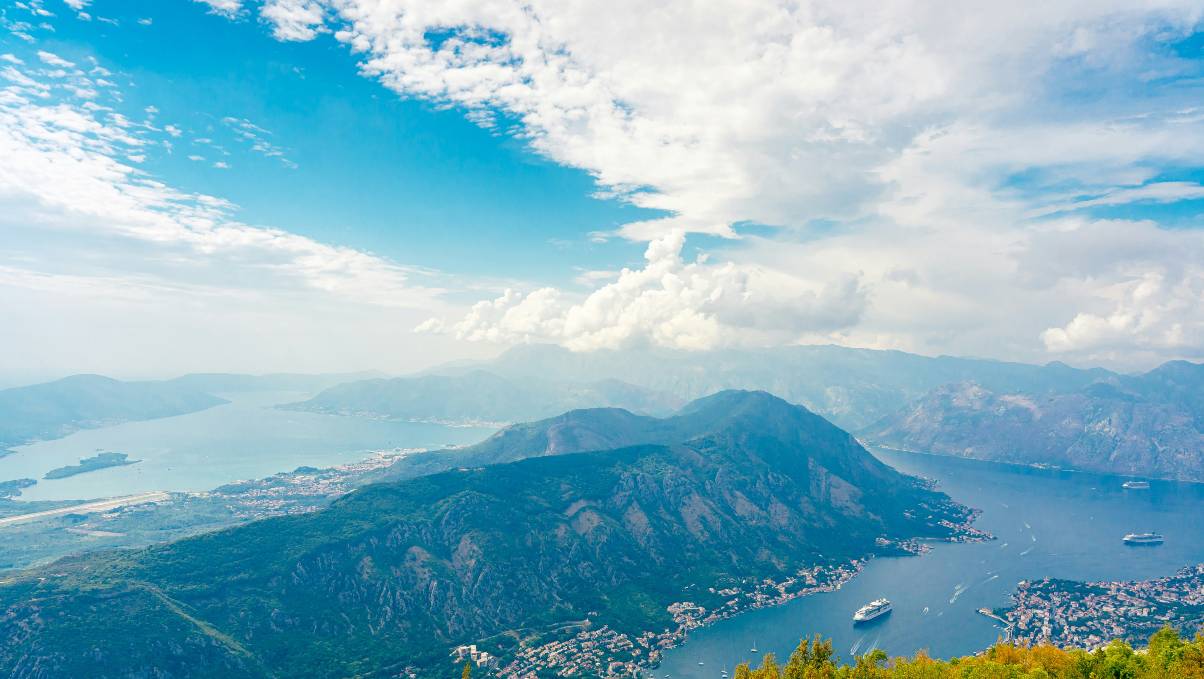
Compact, scenic and well-connected, Montenegro is easier to reach than its hidden bays, winding mountain roads, and small coastal towns might suggest.
For most international travellers, the simplest way to get to Montenegro is by air, with Tivat and Podgorica serving as the main gateways. Tivat is the natural choice for the Boka Bay and the Adriatic coast, while Podgorica is often more practical for central, northern and wider country itineraries.
From flights and airport transfers to driving routes, sea arrivals and regional connections, this guide will help you choose the smoothest way to arrive and plan the onward journey with confidence.
The best way to get to Montenegro is usually by air, especially for travellers arriving from across Europe and further afield. Flights into Tivat and Podgorica offer the most direct access to the country.
At the same time, Dubrovnik Airport can be a practical alternative for travellers heading to the Boka Bay or the western coast, particularly when seasonal flight connections are stronger.
Montenegro can also be reached by road from neighbouring Balkan countries, by train from Belgrade to Bar, or by sea along the Adriatic, making it easy to shape the journey around your wider travel plans.
For a broader overview of the country, local transport, seasonal planning and arrival options, our guide to travelling to Montenegro is a useful companion to this route-focused article.
Flying is the fastest and most straightforward option for most visitors.
Montenegro has two main international airports: Tivat Airport on the coast and Podgorica Airport near the capital.
Both are relatively small compared with major European airports, which can make arrivals feel simple and manageable, though flight availability varies by season.
Summer brings the widest choice of routes, particularly into Tivat, while Podgorica tends to offer more consistent year-round access. If you are travelling during July or August, it is worth booking early, arranging transfers in advance and allowing extra time for coastal traffic.

If your final destination is the Boka Bay, Tivat Airport is usually the most convenient gateway. It sits close to the coast and is only a short drive from Porto Montenegro, making it particularly practical for yacht guests, waterfront stays, summer holidays and short breaks where every hour by the sea counts.
Tivat is also well placed for exploring Kotor, Perast, Luštica, Budva and the wider coastline. For travellers arriving for a marina stay, a sailing itinerary or a refined coastal holiday, it offers the smoothest transition from runway to waterfront.
Podgorica Airport is often the better choice if your itinerary includes the capital Podgorica, Lake Skadar, Cetinje, Kolašin, Durmitor or a broader journey through the interior.
It can also be a practical alternative for the coast when flight times, prices or availability are better than those to Tivat. From Podgorica, travellers can continue by private transfer, taxi, rental car or bus to the coast.
For more details on airport choices, arrivals and onward travel, see our guide to Montenegrin airports.
Dubrovnik Airport, in neighbouring Croatia, is often used as an alternative gateway to the Montenegrin coast. It can be particularly useful for travellers heading to Herceg Novi, Kotor, Tivat or Porto Montenegro, especially when there are stronger seasonal flight connections into Dubrovnik.
The route from Dubrovnik to Montenegro is scenic, but it does involve crossing the Croatia–Montenegro border. In spring and autumn, this can be straightforward; in July and August, it is wise to allow extra time, as border queues and coastal traffic can lengthen the journey.
Most travellers continue by private transfer, taxi or rental car. If you are planning to combine southern Croatia with the Montenegrin coast, road travel is the most common option, while a seasonal ferry from Dubrovnik to Montenegro can feel like part of the holiday rather than simply a transfer.
If you are wondering how to get to Montenegro from the US, the usual route is to fly via a major European hub and connect to Tivat, Podgorica or Dubrovnik. Common connection points may include cities such as London, Frankfurt, Vienna, Istanbul, Paris, Rome, Zurich or Belgrade, depending on the airline, season and departure city.
When planning a long-haul journey, leave enough time between connecting flights, especially if you are travelling in peak summer or arriving with checked luggage. For a smoother arrival, it is also worth arranging your onward transfer before you land, particularly if you are heading straight to the coast after a long flight.
For travellers arriving by private jet to Montenegro, Tivat is the most natural gateway to the Boka Bay.
Its coastal location places guests close to the marina, waterfront restaurants, residences, and hotels around Porto Montenegro, while Podgorica may also be used, depending on routing, aircraft requirements, and seasonal operations.
Smaller airfields in Montenegro may be suitable for certain private aviation arrangements, including Berane, Nikšić and Žabljak, but for most coastal stays and Porto Montenegro itineraries, Tivat and Podgorica remain the key gateways.
As with all aviation arrangements, requirements and availability should be checked in advance, especially during peak travel months.

Driving to Montenegro is a popular option for travellers already in the region or planning a wider Balkan or Adriatic itinerary.
The country borders Croatia, Bosnia and Herzegovina, Serbia, Kosovo and Albania, so it can be reached by road from several directions.
For coastal itineraries, one of the most common routes is from Croatia, particularly from Dubrovnik towards Herceg Novi, Kotor and Tivat. This is a practical option if you are combining southern Croatia with Montenegro, or if flights into Dubrovnik are more convenient than those into Tivat or Podgorica. In peak summer, however, it is worth allowing extra time for the border crossing and slower coastal traffic.
From Serbia, many travellers enter Montenegro en route to Podgorica, the northern mountains or the coast. This can work well for those combining Belgrade, the mountain regions, Lake Skadar or the Adriatic coast in one itinerary.
Routes from Bosnia and Herzegovina are often scenic and mountainous, making the journey memorable but sometimes slower than expected. They can be a good option for travellers combining Sarajevo, Trebinje or the wider region with northern Montenegro, Boka Bay or the coast.
From Albania, the southern Montenegrin coast around Ulcinj and Bar is the most natural entry point, with onward routes towards Lake Skadar, Budva, Tivat and the Boka Bay. This route is especially practical for travellers combining northern Albania with the Montenegrin coast.
Before setting off, check that you have the right documents for your nationality and vehicle. Travellers may need a valid passport or national ID card, a driving licence, vehicle insurance, and, if using a hire car, written permission for cross-border travel.
If your driving licence is not in Latin script, an International Driving Permit may be required.
Although distances in Montenegro can look short on the map, roads are often winding, especially around the coast and through the mountains. In July and August, border crossings, coastal traffic, and limited parking in popular towns can also add time to the journey.
Arriving by sea gives Montenegro a very different sense of arrival.
The coastline reveals itself gradually – steep mountains, sheltered bays, stone towns and marina promenades coming into view from the Adriatic.
Bar is an important ferry port, Kotor is a well-known cruise stop, while Tivat and Porto Montenegro are central to the country’s contemporary yachting scene.
For those arriving by yacht, Montenegro is not just a destination but part of a wider Adriatic journey, with the Boka Bay offering one of the most memorable approaches on the coast.
For yacht owners and sailing guests, the marina in Porto Montenegro provides a refined setting in Tivat, close to waterfront dining, accommodation, shopping and some of the Adriatic’s most scenic cruising grounds. After arrival, the coast unfolds easily – Kotor, Perast, Herceg Novi, Budva and Luštica are all within reach.
If you are planning to continue along the shore, our guide to Montenegro coastal towns can help you shape a route through the country’s most beautiful seaside destinations.
Train and bus travel are not the fastest ways to get to Montenegro, but they can be useful for regional journeys, slower itineraries or travellers who want the route itself to be part of the experience.
The Belgrade to Bar railway is one of the most memorable ways to arrive in Montenegro. It connects Serbia with the Montenegrin coast, passing through mountains, canyons, tunnels and high bridges before descending towards the Adriatic.
It is not the quickest or most polished travel option, but it has a particular appeal for those who enjoy scenic rail journeys. If you choose this route, check timetables carefully, expect a longer journey and treat it as part of the adventure rather than simply a transfer.
Buses connect Montenegro with Serbia, Croatia, Bosnia and Herzegovina and Albania, as well as with towns across the Montenegrin coast. They are usually the most budget-friendly option, though journey times can vary considerably in summer.
For travellers moving between Dubrovnik, Kotor, Budva, Podgorica, Bar or other regional centres, buses can be practical. For a more comfortable arrival, especially with luggage or after a flight, private transfers or rental cars are usually easier.
Once you have reached the country, the best way to get around Montenegro depends on the kind of trip you are planning. A coastal stay may only require transfers and occasional taxis, while a wider itinerary across national parks, mountain towns and beaches is much easier with a car.
For travellers based in Tivat or Porto Montenegro, days on the water can include quiet coves, historic towns, island churches and sunset views across the bay. It is one of the most atmospheric ways to understand why Montenegro’s coast feels so distinctive.
The best time to travel depends on the kind of Montenegro you want to experience. July and August bring the liveliest coastal atmosphere, warm seas, beach clubs, restaurants and a full summer calendar. It is the best time for travellers who want energy, long days by the water and the classic Adriatic holiday mood.
May, June and September are ideal for warm weather with a gentler pace.
For a deeper seasonal breakdown, read our guide to the best time to visit Montenegro. If you are planning a peak-season escape, our guide to summer in Montenegro covers the coastal mood, weather, activities and experiences that define the Adriatic summer.
Once your route is settled, the next decision is where to base yourself. Tivat is particularly convenient for travellers who want the Boka Bay, marina life, fine dining and coastal day trips within easy reach.
It offers a balance of ease and atmosphere – close to the airport, close to the water and well positioned for exploring both the bay and the wider coast.
Porto Montenegro is especially suited to travellers who want a polished waterfront setting rather than a traditional resort experience. From here, you can move easily between marina promenades, restaurants, boutiques, beaches, boat trips and historic towns around the bay, with many of the best luxury hotels in Montenegro within reach for those planning a refined coastal stay.
A little planning can make getting to Montenegro much easier, especially in summer. These simple tips will help you choose the right route and avoid unnecessary stress:
With the right gateway, realistic timings and onward transport arranged in advance, arriving in Montenegro can feel as effortless as the holiday itself.
Getting to Montenegro is rarely just about reaching a destination.
Whether you arrive over the mountains, along the coast, through a quiet bay or directly into Tivat, the journey often gives the first glimpse of what makes the country so distinctive – compact distances, striking scenery and an easy shift from travel mode to holiday mode.
The most important decision is not simply how to get to Montenegro, but how you want the journey to feel.
A short flight and private transfer can bring you quickly to the waterfront, while a road trip, rail journey or arrival by sea can turn the approach into part of the experience. Plan the route around your pace, your season and your first stop, and Montenegro will feel close long before you arrive.


