Things to Do in Montenegro in Winter - From Snowy Peaks to a Gentle Coast

Most travellers associate Montenegro with summer, yet Montenegro in winter reveals a quieter, more authentic side of the country. Snowy mountain peaks and a mild Adriatic coast sit just hours apart, creating a unique seasonal contrast. A Montenegro winter holiday means quieter streets, softer prices and a slower rhythm that invites you to explore at your own pace.

Whether you’re searching for things to do in Montenegro in December, planning for January, or looking ahead to February, winter offers experiences that summer cannot match.

In the guide below, you’ll discover Montenegro’s mountain adventures, coastal winter charm, culinary highlights, cultural moments, seasonal events and practical tips for planning your trip.

Enjoy Montenegro Snowy Mountain Adventures

Montenegro’s mountainous interior transforms into a peaceful winter landscape, where forests, valleys and high peaks are softened by fresh snowfall. Away from the busy coastal towns, the mountains offer a sense of stillness and space that feels worlds apart, inviting travellers to slow down and connect with nature. 

Here, adventures are not defined only by adrenaline, but by the beauty, silence and scale of the surrounding wilderness.

Friends enjoying sledging together during a winter trip in the snow.

Winter Hiking and Snowshoeing

Winter hiking and snowshoeing are among the most rewarding ways to experience Montenegro’s mountain regions. When snow settles across the landscape, trails become peaceful routes through quiet forests, open plateaus and striking white peaks, offering a slower and more reflective outdoor experience than traditional winter sports.

Montenegro’s protected areas are especially impressive at this time of year. Exploring the hiking trails in Montenegro trails within the National parks in Montenegro reveals frozen glacial lakes, dramatic ridgelines and untouched scenery that feels almost otherworldly.

Many routes remain accessible to casual walkers when conditions allow, making snowshoeing an excellent option for travellers who want to enjoy the mountains without technical skills or equipment.

Guided walks are available in several mountain towns, providing safe access to scenic viewpoints and local insights into the region’s natural heritage. Clear light also makes this one of the best times for landscape photography, with snow creating strong contrasts and highlighting the raw shapes of Montenegro’s terrain.

For travellers seeking a short mountain escape, winter walking pairs perfectly with a weekend in the Montenegro Mountains, combining fresh air, local food and cosy accommodation for a balanced seasonal getaway.

Winter Sports and Snow Experiences

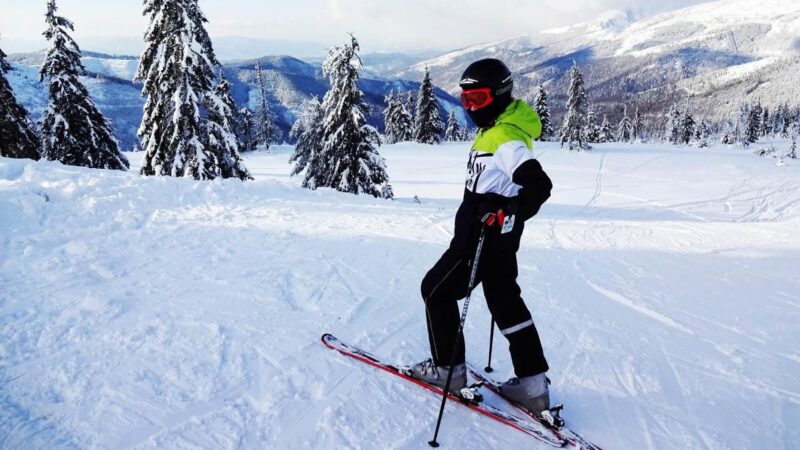
Montenegro’s mountain regions offer a variety of gentle winter experiences that go far beyond skiing. 

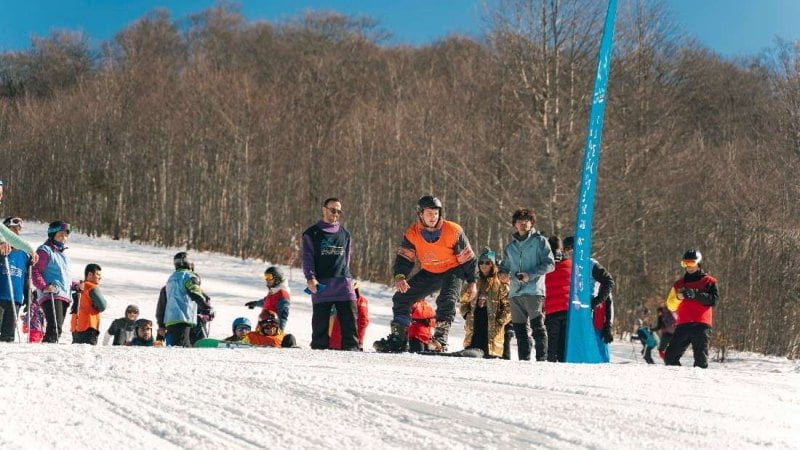
Travellers can enjoy simple snow activities such as sledging, trying beginner-friendly slopes, or taking scenic cable car rides that reveal sweeping views of snow-covered valleys and rugged peaks. 

Popular winter destinations like Kolašin and Žabljak are home to well-equipped ski resorts in Montenegro, cosy mountain accommodation, and restaurants, making them ideal hubs for both sporty and leisurely winter experiences.

These lighter winter sports are ideal for families, couples, or anyone who wants to enjoy the snowy landscape without committing to a full ski holiday.

Many mountain towns come alive with seasonal charm, offering outdoor ice rinks, small winter fairs, and local events that showcase traditional life in colder regions. The crisp air and soft light make even short outdoor moments memorable – whether you’re building a snowman, tasting warm mountain specialities, or simply taking in the dramatic scenery.

For travellers seeking winter ambience rather than pure sport, Montenegro’s highland areas provide a refreshing balance of accessible snowy fun, striking nature and cosy mountain hospitality.

Picturesque Winter Landscapes and Nature Photography

Winter is one of the most photogenic seasons in Montenegro. Snow highlights the raw shapes of the terrain, while low light adds depth and drama to landscapes. 

Frozen lakes, misty forests and mountain villages dusted in white create ideal conditions for photography.

Nature lovers and photographers will find endless inspiration across inland regions, particularly within its national parks in Montenegro. Winter strips the scenery back to its essentials, revealing the country’s rugged beauty in its purest form. 

The quieter season also means photographers can enjoy unobstructed viewpoints and tranquil shooting conditions. Whether capturing wide mountain panoramas or intimate details in the snow, the cold season offers a unique visual atmosphere found nowhere else in the year.

Winter view of the Bay of Kotor in Montenegro with calm water and mountain scenery.

Experience Mild Montenegro Winter on the Coast

While Montenegro’s mountains settle into deep winter, the Adriatic coast enjoys a surprisingly gentle climate, offering fresh air, soft sunlight and calm seaside promenades. This mild Mediterranean atmosphere makes the coast an inviting refuge for travellers seeking relaxation, scenic walks and a slower pace during the colder months.

Coastal Walks and Outdoor Relaxation

Winter days on the coast are ideal for walking, cycling and light outdoor activity. 

Temperatures are comfortable, typically ranging between 10°C and 15°C, with the region enjoying a high number of sunny days even in mid-winter. Snow is extremely rare along the Adriatic, although occasional rain showers are common due to the mild Mediterranean climate. The air is fresh, and the promenades are peaceful. 

With mild temperatures and peaceful promenades, things to do in Montenegro in January often revolve around coastal walks, café culture and enjoying the calm Mediterranean atmosphere.

Towns such as Tivat, Kotor, Perast and Budva reveal a calmer personality, free from summer congestion.

Exploring coastal towns in Montenegro in winter allows you to experience their architectural beauty, historic streets and natural surroundings without distraction. Cafés stay open, locals reclaim public spaces, and the coastline feels lived-in rather than staged.

The cold season is also an excellent time for winter sailing. Calm marinas, clear skies and steady conditions offer a unique way to experience the Adriatic, especially for experienced sailors seeking tranquillity rather than spectacle.

Wellness, Spa and Relaxing Experiences

Winter naturally draws travellers toward rest and restoration, and Montenegro’s coast, particularly Tivat, becomes one of the region’s most appealing wellness destinations. 

Much of this reputation centres around Porto Montenegro, where contemporary lifestyle, leisure and wellness come together in an elegant waterfront setting.

At the heart of this experience is Boka Place, a new urban hub centred on wellbeing, movement and modern lifestyle. It is also home to the SIRO hotel, a next-generation hotel designed for guests who want to feel energised rather than simply accommodated.

SIRO’s Fitness Lab, with 1,600 sqm of performance-focused space, offers high-energy group classes, yoga and mindfulness studios, and personalised training sessions, ideal for staying active during the cold season. After activity, guests can unwind in the Recovery Lab, where innovative wellness therapies, restorative treatments and science-based recovery methods help reset the body and mind.

Alongside SIRO, the wider coast offers thermal experiences, spa rituals, sea-view relaxation areas and gentle outdoor activities that complement a slower winter rhythm. Many visitors pair coastal walks with spa sessions, creating a balance that feels both restorative and refreshing.

If you’re looking to combine wellness with light exploration, read about the best things to do in Tivat that provide excellent inspiration for active, relaxing and wellbeing-centred winter days.

Culinary Experiences and Winter Flavours of Montenegro

Winter is when Montenegrin cuisine truly comes into its own. Cold weather brings hearty dishes, slow cooking and deep, comforting flavours that reflect the country’s mountain heritage and coastal abundance.

Traditional Montenegro food often centres around slow-cooked meats, rich dairy products, seasonal vegetables and warm breads. Dishes prepared under a metal bell over embers, locally called “ispod sača”, creamy corn-based meals, cured meats, and strong cheeses are staples of tables across the country.

At the same time, the coast continues to offer excellent seafood, with winter catches bringing particularly flavourful fish and shellfish. Dining in colder months feels more personal, with chefs and restaurant owners having time to focus on quality rather than volume.

Montenegro’s growing reputation for food tourism is especially evident in winter, when local traditions shine. While Montenegro is increasingly being mentioned among the best food destinations in the world, winter reveals an authentic culinary experience that feels genuine and unfiltered.

For practical guidance, exploring where to eat in Montenegro can help you discover restaurants that focus on seasonal ingredients and traditional preparation methods.

Cultural Experiences and Indoor Activities for Winter Days

Winter is an ideal time to explore Montenegro’s cultural side. Museums, galleries, historic buildings and cultural institutions are quieter, allowing for a more reflective experience.

Historic towns such as Kotor and Cetinje invite slow exploration at this time of year. 

In towns like Cetinje, you can visit landmarks such as the National Museum of Montenegro, the King Nikola Museum and the Njegoš Museum, while coastal areas offer smaller art galleries and maritime collections that provide insight into local heritage.

In Kotor, visitors can walk along the impressive walls of Kotor, which offer atmospheric views of the Boka Bay and the old town framed by winter light. If you are wondering what to see in the old town of Kotor, its Romanesque churches, medieval squares, artisan shops and small museums create a rich and engaging experience even during cooler days.

Without the pressure of peak-season crowds, the town’s rich history and architecture feel more intimate and immersive.

Smiling girl posing at a New Year market with festive lights and decorated trees.

Seasonal Events and Holiday Atmosphere

Winter in Montenegro is also a season of celebration. From December through February, towns across the country host concerts, markets and community gatherings that bring warmth to colder days.

Festive lights, live music and open-air events create a lively atmosphere during the holiday period, especially in coastal towns. Many of these events are part of Montenegro’s growing calendar of winter festivals, which combine tradition, music and local culture, often featuring local artisans, regional food stands and children’s programmes.

For travellers staying near Tivat, the selection of attractions and events in Porto Montenegro adds an elegant and contemporary dimension to the cold season.

For visitors seeking things to do in Montenegro in December, this is a particularly rewarding time, with New Year celebrations, Orthodox Christmas and seasonal markets adding colour and energy to cold nights. 

February also brings lively cultural events, making things to do in Montenegro in February especially appealing for travellers who enjoy festivals and local traditions.

Some coastal towns also organise light shows, themed weekends and cultural performances, ensuring that each winter visit feels unique and full of local charm.

Practical Tips for Planning a Winter Vacation in Montenegro

Planning a winter vacation in Montenegro is simple when you know what to expect from the season. With its mix of snowy mountains and a mild Adriatic coast, preparation makes all the difference. 

Below are essential tips to help you make the most of your trip.

  • Plan with weather conditions in mind. A winter vacation in Montenegro requires a slightly different approach than a summer trip, but with the right preparation, it can be deeply rewarding.
  • Expect affordable accommodation. Prices are generally lower in winter, and availability is excellent outside the holiday peaks around the New Year and Orthodox Christmas.
  • Check road conditions before travelling inland. Roads are well-maintained, though mountain routes may require flexibility due to snowfall or temporary closures.
  • Pack for Montenegro’s contrasting climates:
  • Warm layers and insulated clothing for the mountains.
    • Lighter, breathable clothing for the coast.
    • Waterproof outerwear and comfortable walking shoes for both regions.
  • Embrace a slower travel pace. Winter is ideal for unhurried exploration. With fewer tourists and quieter towns, the season encourages spontaneity and relaxed discovery.

If you are still deciding on the ideal travel period, it is helpful to consider seasonal patterns and the overall climate; the guide on the best time to visit Montenegro provides a clear overview of what each month offers. And for travellers wishing to explore specific winter destinations in greater depth, the article Best Places to Visit in Montenegro in Winter will offer detailed recommendations on regions, viewpoints and seasonal activities.

Montenegro in Winter - A Season Worth Exploring

Winter reveals a side of Montenegro that many travellers never see: a calm, balanced blend of snowy mountain wilderness and a gentle Adriatic coast. 

The season offers far more than expected, from peaceful nature experiences and mild coastal days to rich culinary traditions, wellness escapes and a vibrant holiday atmosphere

Things to do in Montenegro in winter are varied and surprisingly rewarding, especially for those seeking authenticity over crowds.

For travellers willing to look beyond the summer months, Montenegro in winter is not simply a quieter version of the coastline – it is a different journey altogether. Slower, deeper and wonderfully diverse, it invites you to explore the country at its most genuine.