Gen Z and Sustainability - Influencing The World

Sustainability has moved from being a buzzword to becoming a defining value of an entire generation. 

Generation Z – those born roughly between 1996 and 2010 – is emerging as the loudest voice for environmental and social change. 

Growing up amidst the realities of climate crises, economic uncertainty, and social inequality, a sustainable lifestyle for them is not just an aspiration but a way of life. They make decisions based on purpose – from what they buy to where they travel and the types of companies they work for.

For these young consumers, sustainable living is a trend and a lifestyle. In a world where younger generations are increasingly choosing sustainable destinations, luxury marinas and communities like Porto Montenegro recognise the importance of creating spaces that reflect green values, innovation and an awareness of the future. 

In the following sections, we explore the latest Gen Z sustainability statistics, uncover how this generation compares to Millennials, and examine the areas where their influence is already transforming industries and redefining what it means to live responsibly.

Does Gen Z Care About Sustainability?

The answer is a clear yes – and more so than any previous generation.

According to GlobeScan’s 2025 survey across 31 countries, 73% of respondents said they are extremely worried about environmental damage caused by human activity, while 49% feel personally affected by climate change. 

This is strong evidence of rising Gen Z environmental awareness. At the same time, 38% report constant anxiety about ecological issues – more than double the proportion among Baby Boomers.

Research by First Insight and the Baker Retailing Centre sustainability report at the University of Pennsylvania shows that 62% of Gen Z shoppers prefer to buy from sustainable brands, and more than 70% say they are willing to pay extra for eco-friendly products. 

These findings underscore that this generation is more than a mindset – it is a market force reshaping the global economy.

“For Gen Z, sustainable living means more than recycling – it’s about identity, ethics and purpose.”

This deep concern is closely tied to social media and digital connectivity. 

Growing up with constant access to global information, Gen Z activists thrive on visibility: they witness environmental disasters, activism, and corporate misconduct in real time. Hashtags such as #ClimateAction, #SustainableLiving and #FridaysForFuture have become educational tools as much as movements.

It includes social fairness and ethical governance – from diversity and inclusion to fair pay, animal welfare, and mental-health advocacy. They see these values as interconnected aspects of a single responsibility: protecting both people and the planet.

Trust plays a crucial role in this relationship. According to the McKinsey report on Gen Z and sustainability, nearly 88% of Gen Z say they are sceptical of corporate ESG claims, demanding proof through transparent practices, measurable results and independent certifications. Brands that fail to deliver authenticity or attempt greenwashing risk losing their trust – and once lost, it’s rarely regained.

Ultimately, this generation doesn’t just care about sustainability – they expect it. It shapes how they spend, work, vote and live, redefining what credibility means for any brand or institution hoping to earn their loyalty.

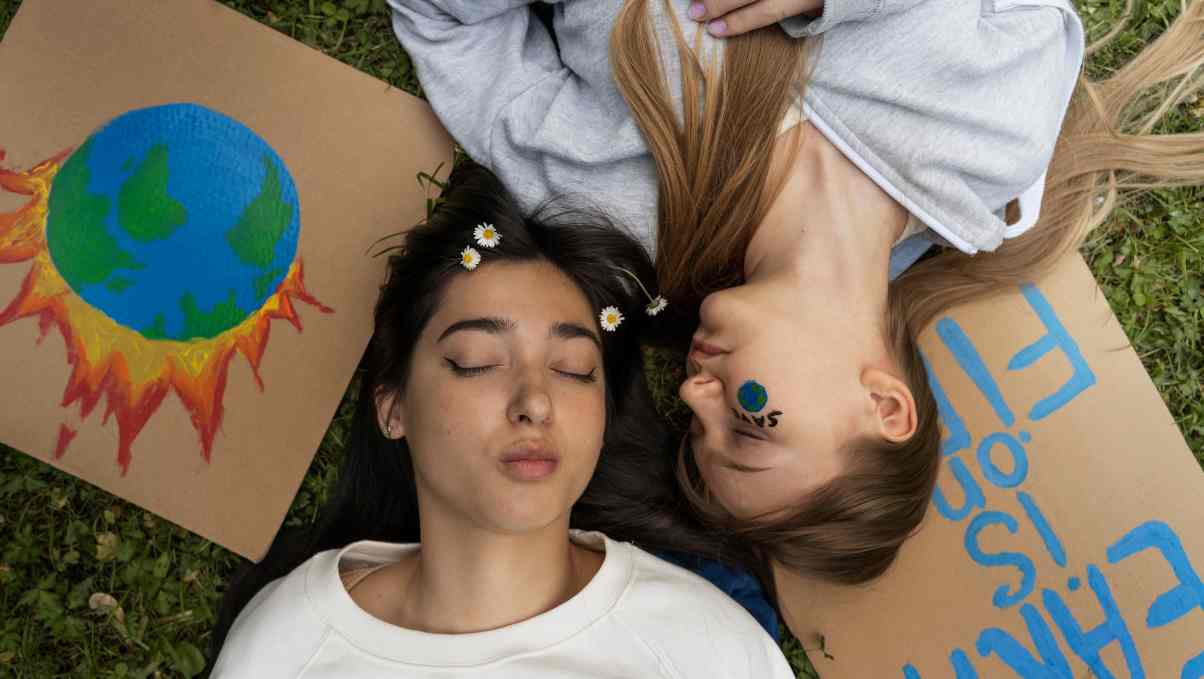
Young people at a World Environment Day rally carrying placards calling for environmental awareness and sustainable change.

How Does Gen Z Differ from Millennials in Sustainability Attitudes?

While Millennials paved the way for sustainability awareness, Gen Z took it a step further. The difference lies in their motivation and expectations.

  • Millennials tend to express idealism: they support positive change but often balance it with comfort, convenience and affordability. They value eco-friendly choices, yet many were shaped by a consumer culture that rewarded aspiration and status.
  • Gen Z, shaped by social media transparency and real-time crises, expects action: they want measurable results, not marketing slogans. They grew up seeing the tangible effects of climate change, and their engagement is driven by urgency rather than trend. They are pragmatic activists – willing to hold brands and even governments accountable.

Trust plays a crucial role in this relationship. According to the McKinsey insights on Gen Z and ESG trust, 88% of Gen Z respondents say they don’t trust brands’ environmental, social and governance (ESG) claims unless transparent actions and measurable results back them. This demonstrates a growing demand for accountability – a generation that expects companies to prove their sustainability commitments, not just advertise them. 

This contrast between Gen Z and Millennials’ sustainability reveals how ideals have evolved into measurable, data-driven expectations – a shift defining the future of ethical consumption.

Areas Where Gen Z Is Driving Change

The influence of these young consumers now extends far beyond activism and social media. 

Their values are now shaping how industries operate, how brands communicate, and even how cities are built. As the first truly digital and globally connected generation, they’re using both their voice and purchasing power to demand accountability and innovation. 

From consumer trends and workplace culture to environmental policies and urban development, this generation is pushing for a world that aligns with their vision of responsibility, authenticity, and long-term balance.

Consumer Behaviour

Gen Z is redefining the market. Their buying power is rising, yet their mindset differs from older generations. 

They value transparency, local production, and the so-called “slow luxury” movement – premium products that last, and that are made responsibly and ethically. 

Despite the fast fashion paradox – wanting both sustainability and affordabilitysecond-hand shopping, upcycling, and thrifting are booming thanks to this generation. 

Digital culture has made sustainability fashionable, merging values with aesthetics and identity.

Their Gen Z consumer behaviour also influences sectors beyond fashion – from technology and beauty to tourism, where eco-conscious choices are now a marker of prestige rather than sacrifice.

Workplace and Career

For Gen Z, employment is more than income; it’s an extension of their values

They expect their workplaces to embrace ESG culture and support DEI (Diversity, Equity, Inclusion) initiatives. 

According to the Deloitte Global Gen Z and Millennial Survey, 46% of Gen Z employees say they have changed or plan to change jobs due to their employer’s lack of climate action. 

Many are also seeking “green careers” – in renewable energy, sustainable architecture, ethical tourism and other industries that align with their principles.

They value transparency in leadership and expect employers to take public stands on environmental and social issues. In this sense, the modern workplace is evolving from a place of productivity to a platform for purpose, where ethical culture is just as important as financial reward. 

This shift demonstrates how Gen Z’s environmentally conscious work culture is transforming business from profit-driven to purpose-driven.

Environmental Awareness

Sustainability has become a daily routine for Gen Z. 

They adopt plant-based diets, use eco-transport, minimise waste, and promote zero-waste lifestyles. 

Movements like Fridays for Future and Extinction Rebellion Youth highlight their activism, while platforms such as TikTok popularise educational trends like #SustainableLiving.

This generation also faces a unique emotional challenge: eco-anxiety, and globally feel personally impacted by climate change, turning anxiety into activism and creativity. 

They are redefining what environmental awareness means – not as a moral obligation, but as an everyday mindset where small, consistent actions are seen as collective power for global change.

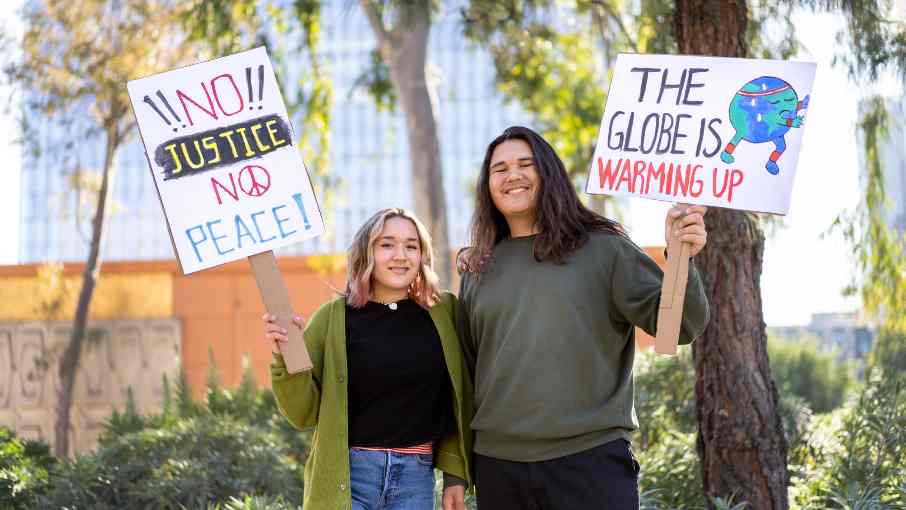
Three Generation Z teenagers pose for a photo, illustrating the digital native lifestyle and youth engagement.

Shaping the Future of Sustainable Construction

Beyond lifestyle and consumption, Gen Z is influencing how cities and communities are designed. They show growing interest in green urbanism, sustainable construction and regenerative architecture

This mindset aligns closely with how Porto Montenegro develops its projects – blending sustainability with sophistication. The new wave of “conscious luxury” prioritises smart energy systems, renewable resources and biodiversity preservation, proving that comfort and conservation can coexist. 

As more investors and travellers look for destinations that mirror their values, communities built on innovation and environmental harmony will become the gold standard of modern living.

Through initiatives such as eco-friendly luxury homes and green architecture, the destination demonstrates that luxury can coexist with environmental responsibility. Smart energy and water management, the use of local materials, and biodiversity conservation are at the heart of its approach – making it a living example of responsible luxury.

By incorporating standards like WELL Building Certification and promoting long-term international property investment, Porto Montenegro sets new benchmarks for sustainable development in coastal communities.

This philosophy is vividly reflected across its newest developments.

At Boka Place, urban energy meets Adriatic calm – an elevated enclave overlooking the waterfront, where contemporary living flows naturally around a central square alive with cafés, galleries and open spaces. Conceived with open-plan designs and integrated green spaces to enhance daylight, natural ventilation and a sustainable bond with the surrounding environment.

Here, sustainable living is expressed through connection: between people, light, wellness and the sea breeze that filters through its modern architecture.

In South Village, the rhythm slows to that of the water. This part of the community embodies the essence of waterfront living – a place that serves as both sanctuary and playground, where nautically inspired luxury residences stand beside lively restaurants, modern boutiques and tranquil promenades. The design celebrates balance: stimulation and serenity in equal measure.

South Village reinterprets Mediterranean architecture through a modern lens, uniting timeless coastal heritage with eco-conscious elegance

Meanwhile, the Vero & Versa Residences interpret eco-smart design through simplicity and light. They merge modern urban living with a gentle sense of stillness. Sunlit interiors, open balconies and a pool framed by greenery create seamless harmony between indoor comfort and the surrounding landscape. 

Life here doesn’t rush – it unfolds, deliberately and sustainably, mirroring the values of a generation that chooses intention over excess.

Still in development, Vero & Versa presents a unique opportunity for those seeking a home aligned with these values – a place thoughtfully designed for mindful living and a sustainable future.

Together, these projects reflect Porto Montenegro’s commitment to redefining luxury through responsibility – a vision perfectly aligned with Gen Z’s belief that innovation and nature must move forward hand in hand.
The Future Gen Z Is Building

Gen Z is not waiting for change – they are the ones creating it. As they enter leadership roles as consumers, entrepreneurs and voters, their priorities will continue to reshape industries and public policy alike. Their emphasis on authenticity, sustainable living and equality is pushing companies to redefine what success means in the 21st century.

As a destination guided by the principles of responsible luxury, Porto Montenegro shares this vision. It embraces the same ideals of harmony between innovation and nature that inspire young consumers.

The rise of wellness property trends and green realty in Montenegro reflects how sustainability is becoming a cornerstone of modern living – not just a marketing term. 

In the end, environmental awareness and commitment to sustainable living are reshaping the world and destinations that evolve alongside them will define the next era of progress.