
Vero & Versa
Discover a collection of diverse yet integrated neighbourhoods at the heart of it all. Vero and Versa Residences have easy access to everything Porto Montenegro has to offer.
Explore

Discover a collection of diverse yet integrated neighbourhoods at the heart of it all. Vero and Versa Residences have easy access to everything Porto Montenegro has to offer.
Explore
Discover Porto Montenegro's newest neighbourhood, a thriving community designed around wellness, lifestyle and everyday convenience.
Explore

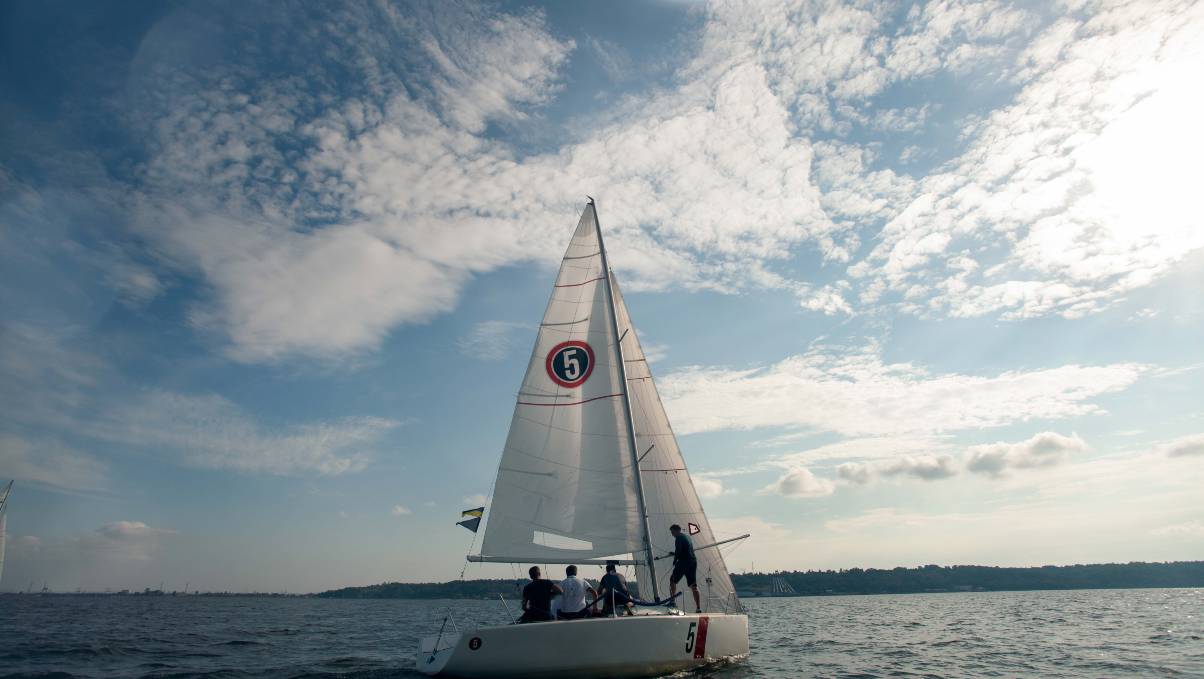
The Adriatic is one of Europe’s most rewarding sailing regions, known for its calm bays, historic coastal towns, island routes and striking scenery. From Montenegro’s striking coastline to Croatia’s island-dotted shores and routes stretching towards Italy, sailing in the Adriatic can be as relaxed or as ambitious as you want it to be.
In this guide, we explore the main sailing regions, popular routes, the best time to go and practical tips for planning an unforgettable Adriatic trip.
The Adriatic Sea is ideal for sailing because it attracts a wide range of travellers as it combines picturesque diversity with relatively easy route planning.
Distances between many destinations are manageable, conditions are often favourable during the main season, and the coastline brings together historic towns, islands, sheltered bays and well-equipped marinas in one compact region.
As a result, each journey can feel rich and diverse without requiring long, demanding passages every day.
Another advantage is the contrast the Adriatic offers within a single itinerary. You can begin in the calm waters of Montenegro’s Boka Bay, continue along the open coast, then head towards Croatia’s island routes or even plan a longer crossing from Italy.
This flexibility makes sailing in the Adriatic Sea equally appealing to those seeking a relaxed coastal escape and those looking for more of a sailing adventure. It is this balance of beauty, variety and practicality that makes the region so rewarding.
The Adriatic can broadly be understood through a handful of main sailing regions, each with its own atmosphere, pace and practical advantages. Together, they create a coastline that feels unusually diverse for a relatively compact sea.
Montenegro offers one of the most scenic starting points for any Adriatic route. The Boka Bay is often the first highlight, with its calm waters, mountain backdrop and historic waterside settlements such as Kotor, Perast and Herceg Novi.
Sailing here feels intimate and immersive, with short distances and views that change at every turn. It is an ideal area for travellers who want culture, sheltered cruising and elegant marina stops in one compact stretch.
Tivat adds another layer to that experience, combining easy access to the bay with Porto Montenegro, a luxury nautical village and refined waterfront destination that plays a defining role in yachting.
Its blend of world-class marina facilities, waterfront dining and luxury accommodation makes it a natural base for travellers looking to begin or end their Adriatic journey in a more polished setting.
Further south, the coast opens up towards Budva, Sveti Stefan, Petrovac and Bar.
This stretch of Montenegro feels brighter and more open, with wider sea views and a stronger connection to the open Adriatic. For many itineraries, that contrast is part of the country’s appeal, allowing sailors to move easily between the sheltered beauty of Boka Bay and the more expansive rhythm of the southern coast.
Combined with sophisticated marina infrastructure, polished waterfront settings and access to some of the region’s most attractive sailing grounds, Montenegro has become a natural part of many high-end Adriatic routes.
Among the Adriatic’s key sailing regions, Croatia stands out for its island-dotted coastline, historic port towns and well-developed sailing infrastructure.
The Dalmatian Coast is defined by countless islands, historic port towns and an itinerary style that makes island-hopping feel almost effortless. Routes between Split, Hvar, Vis, Korčula, Mljet and Dubrovnik are among the best known, not only because of their beauty but because they balance lively stops with quieter anchorages.
Some islands are known for nightlife and a polished social scene, while others are valued for their calm bays, vineyard landscapes or slower pace. This makes Croatia especially appealing for travellers who want a route that can shift naturally between vibrant and peaceful.
The northern Adriatic has a different character from the southern and central cruising areas. Istria combines Venetian influences, colourful towns and a more understated coastal atmosphere, while the Zadar region provides access to one of the most distinctive sailing landscapes in the Adriatic: the Kornati archipelago.
This is a region that tends to appeal to sailors who enjoy natural scenery and a slightly less polished, more elemental kind of cruising. The islands can feel sparse and remote in places, but that is part of their attraction. The sailing itself often becomes the central experience, with destination stops serving as punctuation rather than the entire focus of the trip.
Although the eastern coast tends to dominate conversations about sailing the Adriatic, the Italian side offers an interesting alternative. Ports such as Bari, Brindisi, Ancona and Vieste can be used as departure points for coastal itineraries or as part of longer cross-Adriatic passages.
The western shoreline does not have the same island density as Croatia, but it provides useful access points and a different atmosphere.
For sailors who want a route with more open-water passages and a stronger sense of transition between countries, the Italian Adriatic adds another layer to the overall experience. It is particularly appealing for those who prefer combining coastline cruising with a proper sea crossing.

One of the pleasures of Adriatic route planning is that itineraries can be shaped around time, confidence level and style of travel. Some voyages are ideal for a few easy days, while others are best enjoyed over a full week or longer.
A Montenegro sailing route usually begins in or around the Boka Bay, where calm waters and short distances make for an easy and scenic opening.
From there, an itinerary might include Kotor, Perast and Herceg Novi before moving out towards Tivat and the wider coast. This is a route that works particularly well for travellers who want to combine historic settings with a smoother, more sheltered kind of cruising, which is part of the wider appeal of yachting in Montenegro.
Continuing south, stops around Budva, Sveti Stefan and Petrovac introduce a more open coastal feel. Depending on timing and preferences, the route can be leisurely and culture-led or adjusted into something more active.
It also suits travellers staying ashore before or after their voyage, especially if they want to combine time on the water with a refined city break in Montenegro. For those looking to begin or end a journey in style, Tivat offers a particularly seamless transition between marina life and sophisticated waterfront accommodation.
This is one of the classic Adriatic itineraries and remains popular because it fits a great deal into a relatively compact route.
A typical seven-day journey from Split to Dubrovnik might include Brač or Šolta, Hvar, Vis, Korčula and Mljet before arriving in Dubrovnik. Each stop adds a different mood, from lively promenades and stylish harbours to quieter coves and more natural island landscapes.
The route is well-suited to travellers who want a balanced introduction to sailing holidays in the Adriatic. It offers recognisable highlights, good infrastructure and enough variety to keep each day distinct. It can also be made more relaxed or more socially oriented depending on the chosen stops.
A northern route beginning in Zadar and leading into Kornati National Park offers a more nature-focused sailing experience.
Here, the attraction lies less in famous port towns and more in the rhythm of moving through an intricate island seascape. The route often includes smaller islands, protected bays and dramatic stretches of exposed rock and clear water.
This kind of itinerary tends to appeal to sailors who want a stronger sense of immersion in the landscape. It can feel quieter, more contemplative and more connected to the mechanics of sailing itself.
For travellers who have already seen some of the Adriatic’s better-known hotspots, it can be an especially rewarding alternative.
A cross-Adriatic route creates a different sense of scale. Rather than focusing solely on coastal hops, it introduces a proper passage across the sea, often beginning from Bari or Brindisi and ending on the Montenegrin coast.
This kind of journey is not usually the simplest choice for complete beginners, but it is highly appealing to those who want their trip to feel more like a classic voyage.
Arriving in Montenegro from Italy feels particularly memorable. After a longer crossing, the coastline appears with a strong sense of arrival, and the transition into the Boka Bay or towards Tivat feels especially striking.
For travellers drawn to Adriatic luxury sailing, this route can combine a sense of adventure with a polished finish, particularly when the journey ends at one of the region’s best-equipped marinas.
Timing has a major influence on the overall feel of an Adriatic sailing trip. The same route can feel lively and energetic in midsummer, or calmer and more spacious in the shoulder months.
For most travellers, the main sailing season runs from May to October. During this period, conditions are generally best suited to leisure cruising, with warmer temperatures, longer daylight hours and a broad range of open marinas, restaurants and seasonal services.
This is the window in which most charter itineraries and sailing holidays in the Adriatic take place.
May and October sit at the edges of the season, often offering quieter conditions and a slower atmosphere, while June to September is when the region feels fully active.
June, July and August are the most popular months for sailing in the Adriatic. The weather is typically warm, the sea is inviting for swimming, and coastal towns are at their liveliest. This is the ideal period for travellers who enjoy a social atmosphere, busy marinas and the fullest range of services and events.
That popularity does come with trade-offs. Popular anchorages and ports can be busier, booking becomes more important, and the overall rhythm is more energetic.
Still, for many travellers, that sense of summer activity is part of the appeal, especially when combined with the wider social calendar of yachting events across the season.
May and September are often considered the sweet spot for sailing the Adriatic.
Temperatures are pleasant, the sea is usually comfortable enough for swimming, and popular destinations tend to feel less crowded. The atmosphere is more relaxed, and reservations can be easier to manage.
These months are especially well suited to travellers looking for a more spacious and elegant experience rather than the height of summer intensity. In Montenegro in particular, this timing aligns well with the broader seasonal advice in this guide to the best time to visit Montenegro.
Winter sailing in the Adriatic is possible, but it is very different from the main leisure season.
Services are more limited, weather windows require closer attention, and some coastal destinations feel distinctly quieter. For experienced sailors or those specifically interested in off-season cruising, this can be rewarding, with a more contemplative atmosphere and a different view of the coast.
That said, winter is not the usual choice for a first Adriatic voyage. Travellers interested in the colder-season side of the experience may find useful context in this article on winter yachting in the Mediterranean.
Wind is an important part of route planning in the Adriatic. Conditions vary by season and sub-region, but sailors should be aware of the bora, a strong north-easterly wind that can arrive suddenly, and the jugo, a warmer south-easterly wind that can bring rougher, wetter weather.
In summer, lighter daily winds are often more manageable, especially for leisure sailing, but forecasts should always be followed closely.
For many travellers, this is another reason the Adriatic is appealing: it offers enough wind and variation to keep sailing interesting, without always demanding the same level of intensity as more exposed cruising grounds.

A trip here can be arranged as a bareboat charter for confident sailors who want independence and flexibility. It can also take the form of a skippered yacht charter, which is often the preferred option for travellers who want local knowledge without having to manage every navigational detail themselves.
Catamaran sailing is popular for groups and families because it offers comfort, stability and generous deck space.
Monohulls often appeal more to travellers who want a traditional sailing feel and a closer connection to the movement of the boat. There are also crewed yachts and superyacht itineraries for those seeking a more seamless, high-service form of Adriatic luxury sailing.
Equally important is the style of journey itself. Some people want a route built around long lunches, swimming stops and historic towns. Others are interested in longer passages, sailing practice and a stronger sense of nautical progression.
The Adriatic supports both ends of that spectrum, which is why it continues to rank among the best yachting destinations.
What you need to sail in the Adriatic depends largely on the type of trip you are planning, but a few essentials apply to almost every itinerary. The right preparation can make the journey feel smoother, more flexible and far more enjoyable.
With the right balance of preparation, flexibility and local awareness, sailing in the Adriatic becomes not only easier to navigate, but far more rewarding to experience.
One of the reasons sailing in the Adriatic is so attractive is that the region combines scenic cruising with relatively strong infrastructure.
Croatia has an extensive network of marinas, fuel docks, charter bases and service points, while Montenegro combines modern marina infrastructure, high-quality services and efficient access to both Boka Bay and the open Adriatic.
In Tivat, Porto Montenegro further elevates that experience as one of the Adriatic’s most refined nautical destinations.
This infrastructure makes route planning easier, but it does not remove the need for caution.
Wind conditions can change, marinas may fill up in peak periods, and border procedures matter when moving between countries. Good planning, updated forecasts, and a realistic understanding of each day’s passage remain essential.
For many sailors, this balance is exactly what makes the region so appealing. It feels adventurous enough to remain exciting, yet supported enough to be approachable.
In Montenegro, especially, the combination of polished marina services and striking natural surroundings gives the experience a particularly effortless quality.
Sailing the Adriatic is about far more than beautiful views, although those are certainly part of the experience.
Expect short but rewarding passages, frequent swimming stops and a coastline where each destination brings a different atmosphere.
One evening may be spent in a lively harbour lined with restaurants and promenades, while the next unfolds in a quieter bay surrounded by hills and clear water.
The journey is also shaped by contrast.
Montenegro offers especially striking scenery, while Croatia is known for its island routes. Further north, the Adriatic feels quieter and more elemental, while routes from Italy add a greater sense of distance and transition.
For travellers seeking a more refined experience, the region’s best marina hubs also bring a welcome sense of ease. That balance of freedom, comfort and variety is what makes sailing in the Adriatic so memorable.
Planning a memorable Adriatic sailing trip starts with choosing the right route, season and pace. A well-balanced itinerary should feel organised enough to run smoothly, while still leaving room for spontaneity along the way.
With the right balance of planning and flexibility, sailing in the Adriatic becomes less about covering distance and more about enjoying the journey as it unfolds.
Sailing in the Adriatic brings together scenic beauty, historic coastal towns, island routes and a sense of freedom that is difficult to replicate elsewhere.
Within a relatively compact region, travellers can shape an itinerary that feels both varied and rewarding, whether they prefer a relaxed coastal escape, classic island-hopping or a more refined sailing adventure.
With the right timing, thoughtful planning and a little flexibility, these best sailing adventures can become far more than a holiday, leaving travellers with memorable views, smooth transitions and experiences that stay with them long after they return to shore.


